
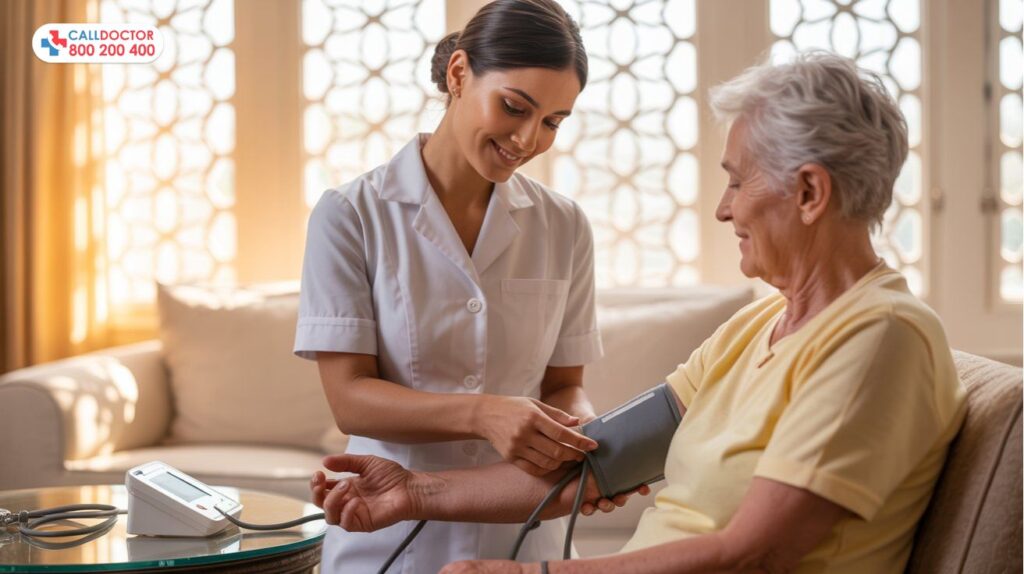
Did you know that nearly 60% of hospital readmissions among seniors happen due to missed medications or poor follow-up care at home? It often starts small a forgotten meal, a skipped dose, or a loved one struggling to move after discharge. Families do their best, juggling work, errands, and care, but soon the stress piles up, and what felt manageable turns into exhaustion and worry.
That’s when professional help becomes more than a convenience it’s a necessity. A professional home care nurse doesn’t just assist with medical tasks; they ensure safety, comfort, and faster recovery while giving families peace of mind.
If you’re unsure whether it’s time to get extra support, here are seven clear signs that hiring a home care nurse in Dubai could be the right step for your loved one’s health and your own well-being.
1. Post-Hospital Recovery Feels Overwhelming
Discharge from a hospital isn’t the end of treatment; it’s the beginning of home-based recovery. This period often involves dressing wounds, managing pain, tracking vitals, ensuring proper hygiene, and administering medication.
If your family member has recently had surgery, suffered a stroke, or been treated for a chronic condition, their transition home can be risky without skilled monitoring. Even minor infections or skipped medications during this phase can escalate into serious setbacks.
A home care nurse ensures this delicate period is managed professionally, giving both the patient and the family the confidence that recovery is on the right path.
2. Daily Medical Tasks Are Becoming Too Complex
You may have started helping with basic tasks, reminding about pills or assisting with mobility; but things may have progressed. Perhaps you’re now required to monitor blood sugar, administer injections, manage IV fluids, or track side effects of new medications.
Unless you have medical training, performing these tasks can be daunting. More importantly, mistakes, like a wrong dosage or skipped step can be dangerous.
A home care nurse is trained in all of these areas. They not only perform complex medical care safely but also help explain procedures to the family so everyone feels more informed and less anxious.
3. Your Loved One Has a Chronic or Progressive Condition
Conditions like diabetes, Parkinson’s, dementia, heart disease, or cancer require long-term, consistent care. Over time, the medical needs of someone with a chronic illness can change, intensify, and become harder to manage with informal help.
One day they may need mobility assistance; another day, they may require catheter care, nutrition support, or constant monitoring of symptoms. These are not occasional needs, they’re ongoing, often unpredictable, and emotionally draining for family members to manage alone.
A home care nurse in Dubai can step in with a steady, professional presence, keeping a close eye on changes, liaising with doctors if needed, and helping you adjust care as the condition evolves.
4. You’re Experiencing Caregiver Burnout
This is perhaps the most overlooked sign, and one of the most important. Many caregivers put their loved one’s needs above their own, often at the expense of their own health, career, and emotional stability. You may be feeling:
- Constant fatigue
- Irritability or guilt
- Difficulty sleeping
- Trouble concentrating
- Isolation or resentment
These signs don’t make you a bad caregiver. They make you human.
Hiring a home care nurse doesn’t mean you’re stepping back; it means you’re being smart about sharing the load so you can provide care in a sustainable way. It gives you space to be a son, daughter, spouse, or sibling again, not just a caregiver.
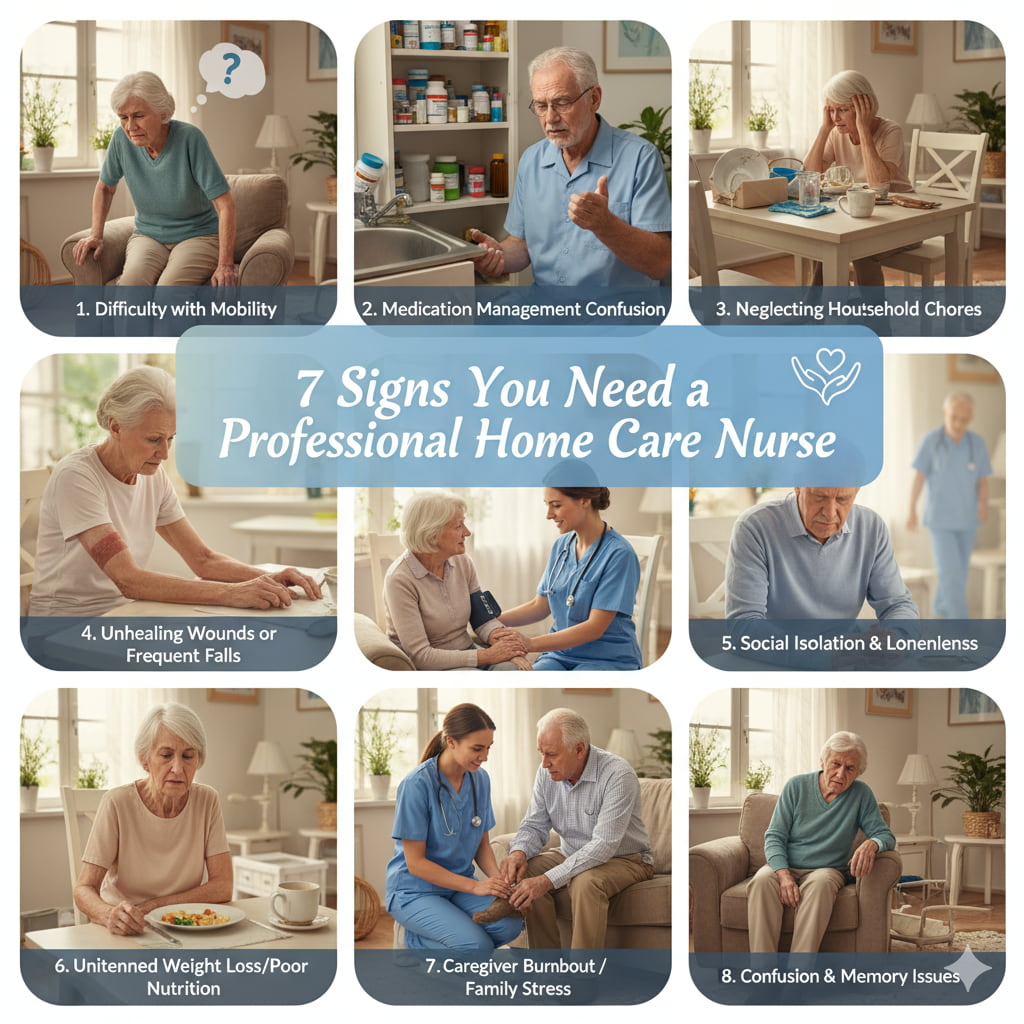
5. You’re Concerned About Safety at Home
Falls. Missed medications. Forgotten stoves left on. A wandering episode from a loved one with dementia.
These are not hypothetical dangers; they’re common and often preventable, but only with professional help. If you’re constantly worrying about your loved one’s safety when you’re away, that’s a red flag.
A trained home care nurse helps ensure a safer environment. They assist with mobility, recognize fall risks, track cognitive decline, and establish safe routines for day-to-day living. This reduces the risk of accidents and gives families peace of mind.
6. Nutrition, Hygiene, or Mobility Are Being Neglected
Maybe your loved one used to take pride in grooming and meal prep, but now they forget to eat, skip baths, or struggle with getting dressed. These may seem like small lapses, but they’re usually early indicators of declining physical or cognitive function.
Skipping meals affects medication efficacy. Poor hygiene increases infection risk. Limited movement leads to pressure sores and reduced circulation.
Home care nurses support with daily activities like bathing, feeding, toileting, and light exercises, helping patients maintain dignity while ensuring that essential routines are not overlooked.
7. You Want to Avoid Hospital Readmissions
Repeated hospital visits take a physical, emotional, and financial toll on everyone. But many readmissions can be prevented with the right follow-up care at home.
A professional home care nurse monitors early warning signs, follows doctors’ care plans precisely, and ensures that medications are taken correctly. This proactive approach is especially valuable in Dubai, where access to specialists or hospital beds can involve long waits or logistical challenges.
Bringing in a nurse reduces the risk of complications and helps your loved one stay healthier and at home for longer.
Why It’s Worth Acting Early
Too often, families delay getting professional help until things reach a crisis. But early intervention makes a world of difference. When a home care nurse in Dubai joins your support circle early, they can:
- Prevent worsening conditions
- Support recovery and independence
- Ease your own caregiving burden
- Bring clarity to confusing medical instructions
- Offer consistency and compassion in care
Home nursing doesn’t replace the role of family; it strengthens it. With trained hands handling the clinical side, you’re free to focus on what matters most: spending quality time with your loved one.
When to Have the Conversation
If you’ve recognized even two or three of the signs above, it may be time to talk about professional help. Have a family meeting. Discuss the patient’s wishes. Look into certified providers who offer transparent pricing and flexible care options.
Remember, bringing in a nurse is not a failure; it’s a form of respect for the patient’s well-being and your own capacity to care meaningfully without burning out.
Let Professional Care Start at Home
Whether it’s post-surgery support, chronic condition management, or day-to-day assistance, a home care nurse in Dubai can make a significant difference in your family’s daily life. Acting early ensures better outcomes, fewer risks, and less stress, for everyone involved.
FAQs
1. What’s the difference between a home care nurse and a caregiver?
A home care nurse is medically trained and licensed to perform clinical tasks such as medication administration, wound care, and monitoring vitals. A caregiver provides support with daily living activities like grooming, meal prep, and companionship.
2. How do I know if a nurse is qualified?
In Dubai, home care nurses must be licensed through the appropriate health authority and have completed medical training. Always ask for credentials and check their certification.
3. Is home care nursing covered by insurance?
Some insurance plans in Dubai cover home nursing services, especially if prescribed by a doctor. You should check with your provider for specific coverage details.
4. How often can a home care nurse visit?
It depends on your needs. Services can range from hourly visits to 24/7 live-in care. Many providers offer flexible scheduling to suit different medical and personal requirements.
5. Is home care nursing safe for elderly patients with dementia?
Yes. In fact, it can be safer than frequent hospital visits. Nurses trained in dementia care can manage behavioral symptoms, ensure medication compliance, and help prevent wandering or accidents.
6. Can a nurse help after surgery or hospital discharge?
Absolutely. This is one of the most common scenarios for hiring a home care nurse. They assist with wound care, pain management, mobility, and recovery routines.
7. What if I only need a nurse for a few days or weeks?
Many home nursing providers offer short-term care plans. This is ideal for post-surgical recovery, temporary illness, or travel-related support.
8. Will the nurse coordinate with our family doctor?
Yes. A good home nurse will communicate updates to your doctor, help follow prescribed care plans, and alert you to any changes that require further medical attention.