
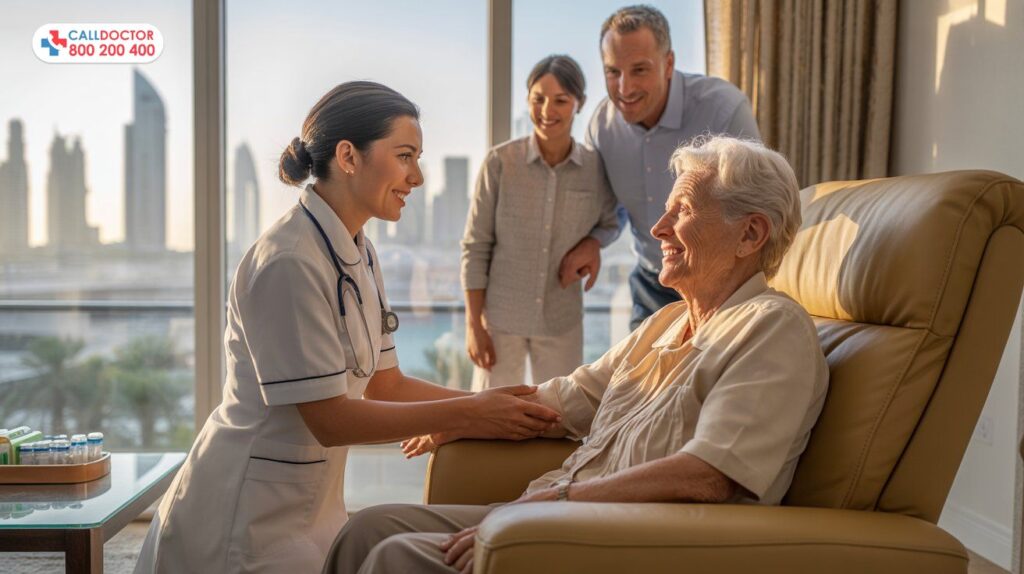
According to the Dubai Health Authority, the demand for home healthcare services has increased by over 20% in recent years, driven by an aging population and families seeking safer alternatives to hospitals. This rise highlights not just a need, but a transformation in how care is delivered at home.
The problem? Most families don’t understand what a trained home nurse in Dubai really offers, beyond the basics. Many assume it’s just medication and monitoring. But there’s much more. In fact, some of the greatest benefits are hidden in the emotional, psychological, and long-term impact of their presence.
Let’s explore the three hidden benefits of having a trained home nurse that most people overlook, but that can make all the difference in your loved one’s life, and yours.
1. Emotional Stability for the Entire Family
More Than Just a Caregiver: A Source of Calm
One of the most unexpected benefits of having a trained home nurse is the emotional balance they bring, not just to the patient, but to everyone involved. In high-stress situations, emotions run high. Family members often experience guilt, anxiety, and even burnout from trying to “do it all.”
A trained nurse doesn’t just show up with medical tools; they bring emotional intelligence, patience, and structure. Their consistent presence allows families to shift from constant worry to trust. When routines are handled with professionalism, loved ones can step back into the role of supporter, not sole caregiver.
“When the stress goes down, love goes up. That’s the biggest gift our nurse gave us,” said a Dubai-based client caring for her elderly father.
The Psychological Impact of Professional Care
Having a professional around can also reduce the patient’s feelings of being a burden. Trained nurses treat patients with dignity, helping them retain a sense of independence. Over time, this improves mental health outcomes, especially in elderly or chronically ill patients.
2. Proactive Health Monitoring That Prevents Emergencies
Noticing What Others Might Miss
A trained home nurse has the skills to observe subtle changes in a patient’s condition that might go unnoticed by untrained eyes. Whether it’s a change in appetite, skin tone, breathing, or mood, these indicators can signal deeper issues.
For example, a slight shift in blood pressure might not seem alarming to a family member, but to a nurse, it might prompt early intervention that prevents a hospital visit. This proactive approach helps reduce medical emergencies, which are not only costly but also emotionally taxing.
Continuity of Care in a Home Environment
In Dubai, where healthcare is often clinic or hospital-centered, the value of consistent, home-based monitoring is huge. A home nurse bridges the gap between doctor visits, keeping care continuous. They keep detailed records, communicate with doctors, and adjust care plans accordingly.
According to a 2024 study in the Middle East Health Journal, patients who received continuous home care monitoring had 34% fewer hospital readmissions compared to those relying solely on outpatient follow-ups.
3. Support with Dignity: Helping Loved Ones Age Gracefully
Respecting Privacy and Preserving Identity
It’s difficult to see someone you love struggle with personal tasks, like bathing, dressing, or mobility. As family members, helping with these intimate routines can be awkward for both sides. A trained nurse, however, approaches these situations with professionalism, sensitivity, and respect.
This preserves the patient’s dignity and independence, critical components for emotional well-being, especially for the elderly or post-operative patients.
Professional Care That Evolves with Time
Home nurses are trained to adapt. They don’t just follow a checklist; they get to know the patient’s habits, preferences, and goals. Over time, this relationship leads to a personalized care experience that evolves with the patient’s changing needs.
Whether it’s transitioning from post-surgical care to physical rehabilitation, or from general support to palliative care, a trained nurse provides the kind of flexible and human-centered care that institutional settings simply can’t.
Why These Hidden Benefits Matter
At first glance, hiring a trained home nurse in Dubai might seem like a luxury or an optional add-on. But when you peel back the layers, you realize it’s not just about health, it’s about peace of mind, emotional well-being, and long-term stability for everyone involved.
How Call Doctor Can Help
At Call Doctor, we understand that home care is personal. Our DHA-licensed home nurses are more than just medical professionals; we are compassionate, observant, and trained to handle both the expected and the unexpected. Whether your loved one needs short-term post-op support or long-term elderly care, we help you bring professional care home, where it belongs.
FAQs: Trained Home Nurse in Dubai
1. What qualifications do trained home nurses in Dubai have?
Trained home nurses in Dubai are DHA-licensed professionals with formal nursing education, clinical experience, and continuous training to ensure safe and effective home care.
2. Is hiring a home nurse more expensive than hospital care?
While hourly rates may vary, home care is often more cost-effective in the long run, especially when it prevents hospital admissions or reduces the need for transportation and outpatient services.
3. Can home nurses handle chronic conditions like diabetes or hypertension?
Yes. They can monitor vitals, administer medications, manage diet plans, and alert doctors about any changes, ensuring better control of chronic illnesses.
4. Are home nurses trained in emergency response?
Absolutely. Home nurses are trained in CPR, first aid, and emergency protocols. They can provide immediate care and stabilize the patient while arranging further medical assistance if needed.
5. How do I know if my loved one needs a home nurse?
If your loved one struggles with daily activities, has frequent hospital visits, or needs help with medication and monitoring, a home nurse can provide valuable support.
6. Is it safe to have a nurse at home?
Yes. Reputable providers like Call Doctor conduct background checks and ensure all nurses are certified, experienced, and trained in patient safety and hygiene protocols.
7. Can I choose between part-time and full-time nursing care?
Yes, you can customize the level of care based on your needs. Options include hourly, daily, overnight, or 24/7 services.
8. Will the nurse communicate with our doctor?
Yes. Trained home nurses can collaborate with your primary care physician, sharing updates, reports, and assisting in follow-ups to maintain continuity of care.