
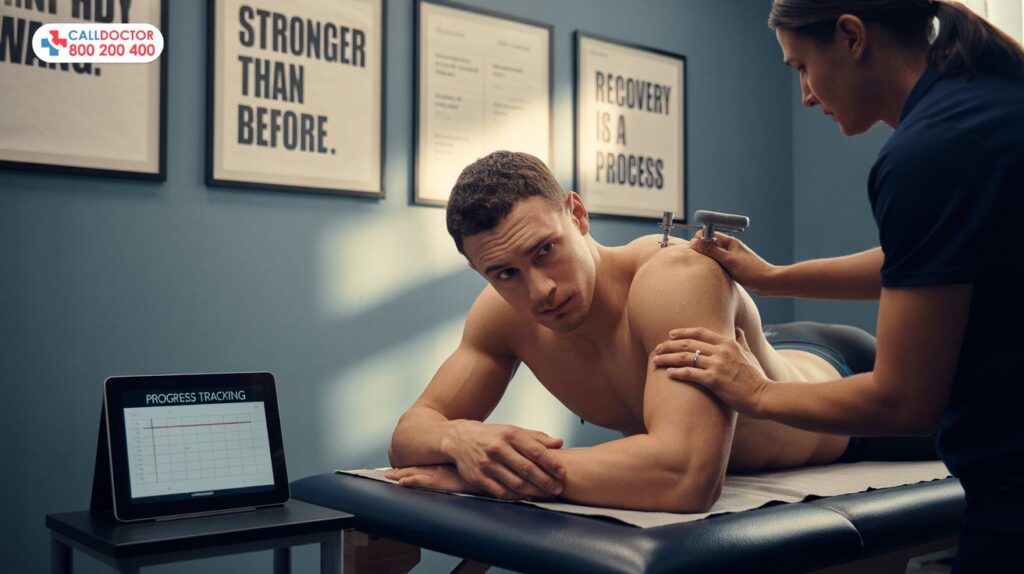
Whether it’s the sting of a twisted ankle during a football match or the long recovery after a torn ligament, sports injuries are a familiar part of an active lifestyle. For athletes, professionals and weekend warriors alike, pain becomes part of the story. But that story can quickly spiral into frustration when rest, ice packs, and self-treatment just aren’t enough.
The Comeback Journey: Why Every Athlete Needs Support
Many try everything: taping, painkillers, resting for weeks. Still, the stiffness stays. The strength doesn’t return. The performance plateaus. Something’s missing.
According to the Chartered Society of Physiotherapy (CSP), early intervention with physiotherapy helps restore function, reduce downtime, and prevent long-term damage. It’s not just about recovery; it’s about making a comeback smarter and stronger.
The problem? Too many athletes delay proper care, unaware of the comprehensive support physiotherapy offers. The solution lies in rehabilitation guided by certified experts.
Let’s explore how physiotherapy steps in as the game-changer.
What Is Physiotherapy for Sports Injuries?
Holistic Healing, Not Just Pain Relief
Sports physiotherapy is a specialized branch of physical therapy that focuses on treating and preventing injuries related to athletic activity. It addresses:
- Muscle strains and ligament sprains
- Joint dislocations
- Tendonitis and overuse injuries
- Post-surgical rehabilitation
Physiotherapists evaluate not just the injury but also the biomechanical movements, posture, and muscular imbalances that may have caused or aggravated it.
Why It Works
- Customized treatment plans: Customized to your sport, injury, and goals.
- Hands-on therapy: Manual techniques that speed up healing.
- Strengthening & conditioning: Build resilience to avoid re-injury.
- Performance enhancement: Optimizing movement patterns.

Common Sports Injuries Treated by Physiotherapy
1. Soft Tissue Injuries
Injuries like muscle pulls, ligament sprains, and tendon strains are common. Physiotherapy techniques such as soft tissue mobilization, ultrasound therapy, and stretching routines help accelerate healing.
2. Joint Injuries
Dislocations and repetitive joint stress can lead to long-term instability. Physiotherapy helps restore joint alignment and strength while reducing inflammation.
3. Post-Surgical Rehabilitation
Whether it’s ACL reconstruction, shoulder surgery, or fracture fixation, post-operative physiotherapy is critical for safe, progressive recovery.
4. Overuse Injuries
Conditions like tennis elbow, runner’s knee, or shin splints develop over time. Physiotherapy manages these through correction of movement patterns, strength work, and load management.
Benefits of Physiotherapy for Athletes
➡️ Faster Recovery Times
With guided rehab protocols and expert support, physiotherapy helps reduce healing time significantly, allowing you to return to sport safely and confidently.
➡️ Pain Reduction
Techniques such as dry needling, electrotherapy, and trigger point release offer relief without relying heavily on medications.
➡️ Prevents Recurring Injuries
By addressing the root cause, not just the symptoms, physiotherapists educate and train athletes on prevention strategies.
➡️ Improves Mobility and Flexibility
Post-injury stiffness is common. Mobilization exercises and dynamic stretching help restore range of motion.
➡️ Mental and Emotional Support
Athletes often struggle emotionally during recovery. Having a structured plan and progress tracking helps boost confidence and motivation.
The Athlete-Physiotherapist Partnership
➡️ Personalized Rehab Programs
There is no one-size-fits-all. A basketball player recovering from an ankle sprain requires a very different plan than a swimmer with shoulder pain.
➡️ Return-to-Play Planning
Physiotherapists perform functional assessments to determine if an athlete is truly ready to return, reducing re-injury risks.
➡️ Collaboration with Coaches
Progress updates and communication with your trainer or coach help ensure that your re-entry to training is well-paced and informed.
When Should You See a Sports Physiotherapist?
- Pain persists for more than a few days after injury
- You notice swelling or decreased movement
- You feel weakness or instability
- You’ve undergone surgery
- You want to improve form and prevent injury
Real Stories, Real Results
Take the example of Sarah, a marathon runner who suffered a knee injury just six weeks before race day. With intense physiotherapy focused on mobility, strengthening, and gait retraining, she not only recovered but set a personal best in the next race.
Or Ahmed, a high school footballer who avoided surgery for a minor rotator cuff tear thanks to early diagnosis and targeted rehab exercises that restored full function.
Sports Injury & Physiotherapy: Make Your Recovery Count
Sports injuries don’t have to mean the end of your game. With the right physiotherapy approach, they can be a turning point; an opportunity to come back better than before.
Take that first step and book your appointment. Physiotherapists at Call Doctor, invest in your recovery journey and healthy life.
FAQs About Sports Injury Physiotherapy
1. How soon after an injury should I start physiotherapy?
Ideally, within 48-72 hours after the injury (post-acute phase) once swelling subsides. Early intervention leads to faster recovery.
2. Is physiotherapy only for professional athletes?
Not at all. Anyone involved in regular physical activity, including students and recreational athletes, can benefit.
3. What happens during a physiotherapy session?
A session typically includes assessment, hands-on therapy, guided exercises, and a personalized home care routine.
4. Can physiotherapy help avoid surgery?
In many cases, yes. Early treatment can often resolve musculoskeletal issues without the need for invasive procedures.
5. Does it hurt to undergo physiotherapy?
Some techniques may cause temporary discomfort, but pain is closely monitored. The goal is to reduce overall pain.
6. How long will I need physiotherapy for a sports injury?
It depends on the severity of the injury. Mild strains may require 2-4 weeks, while post-surgical cases could take 3-6 months.
7. Is insurance coverage available for sports physiotherapy?
Many insurance providers do cover physiotherapy. It’s best to check with your provider for specific terms.
8. Can I continue training while in physiotherapy?
Yes, but under guidance. Physiotherapists will modify your routine to prevent strain and encourage healing.