
Summary
“Is your child constantly catching something from school? This is the proactive guide for Dubai parents who want to trade sick days and stress for a healthy, uninterrupted school term.”
Tired of the endless cycle of coughs and colds from the classroom? Discover practical, Dubai-specific tips to protect your child and what to do when, inevitably, kids getting sick from school happens.
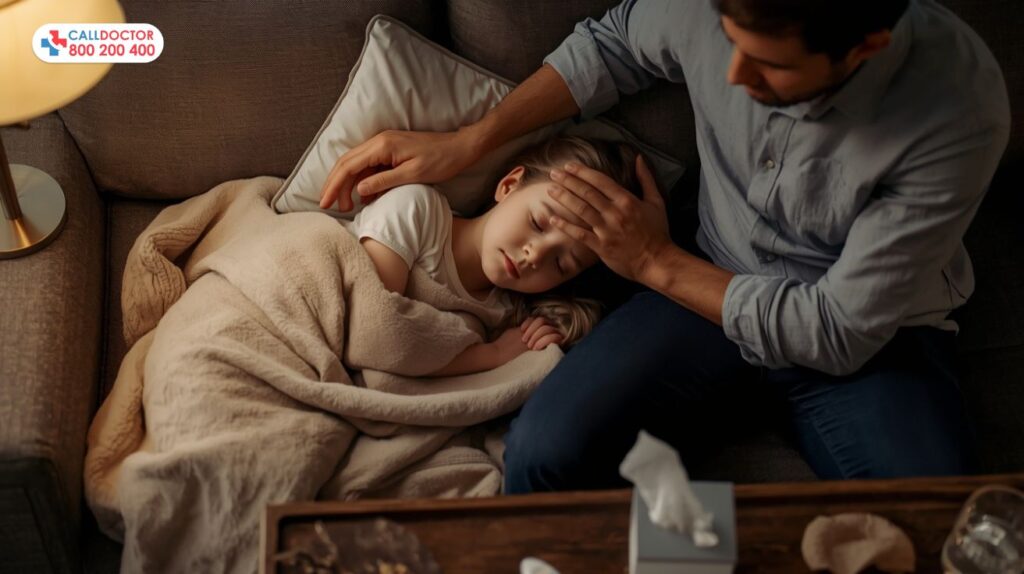
It’s a story every parent in Dubai knows: the new school term begins, full of excitement and fresh uniforms, and within weeks, the first sniffle arrives. Soon, that sniffle becomes a persistent cough, a fever spikes, and you find yourself making another call to the school office to report an absence. The constant disruption of kids getting sick from school can be frustrating for children, parents, and employers alike.
While it’s a natural part of childhood development, navigating the school sickness season doesn’t have to feel like a losing battle. The close-contact environment of a classroom is a perfect storm for germs, but you are not powerless. This post is designed to empower you not just to react to sickness, but to proactively manage your child’s health throughout the school year in Dubai. Think of this as your family’s playbook for a healthier, happier term.
Why Are Schools a Breeding Ground for Germs?
Before we dive into prevention, it helps to understand why school-aged children seem to catch everything. It’s not your imagination; it’s science and social behaviour working together.
- Close Proximity: Classrooms, playgrounds, and school buses are environments where dozens of children share the same air and space for hours. This makes it incredibly easy for airborne viruses, like the common cold and flu, to spread from one child to another.
- Developing Immune Systems: A child’s immune system is like a student itself it’s still learning. Each time it encounters a new virus or bacteria, it learns how to fight it off and builds a ‘memory’ for the future. With hundreds of potential new germs at school, their immune systems are constantly being challenged.
- The “Touchy-Feely” Nature of Kids: Children learn and play through touch. They share toys, hold hands, and often forget the golden rule: don’t touch your face. A virus can easily travel from a contaminated toy to a child’s hand, and then to their mouth, nose, or eyes.
- Sharing is Spreading: From stationery and iPads to snacks and water bottles, sharing is a common part of the school day. Unfortunately, this also means sharing germs.
The Dubai Factor
Dubai’s unique environment adds another layer to the school sickness season. The city is a vibrant, global crossroads, which means children in a single classroom have come from all over the world, bringing different immunity levels and exposures. Furthermore, the constant reliance on air conditioning can dry out the nasal passages, making them more vulnerable to viruses that are being circulated by the AC system itself.
The “Usual Suspects”: Common School Sicknesses in Dubai
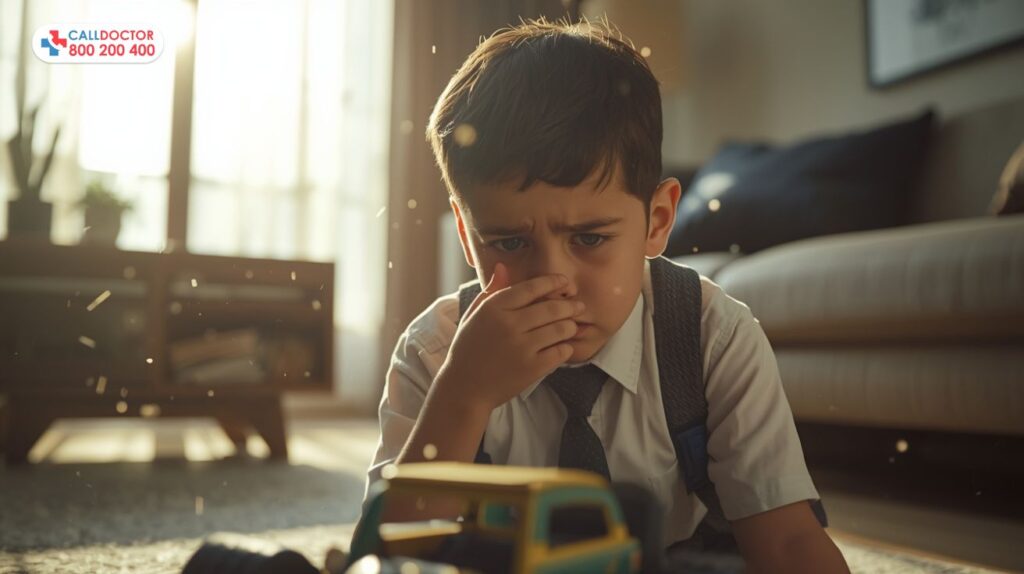
Knowing what you’re up against is the first step in effective management. Here are the most common illnesses that cause kids to get sick from school, along with their tell-tale signs.
The Common Cold
- Symptoms to Watch For: A gradual onset of a runny or stuffy nose, sneezing, a mild cough, and sometimes a sore throat. A fever is uncommon in older children but can appear in younger ones.
- Key Fact: The common cold is caused by over 200 different viruses, which is why children can get it multiple times a year and why there’s no “cure” we just manage the symptoms.
Influenza (The Flu)
- Symptoms to Watch For: Unlike a cold, the flu hits suddenly and with force. Look for a high fever, significant body aches and chills, headache, deep fatigue, and a dry cough.
- Key Fact: The flu is a more serious illness than a cold. The single best way to protect your child is by getting the annual flu vaccine, which helps prevent infection or significantly reduce its severity.
Gastroenteritis (The “Stomach Bug”)
- Symptoms to Watch For: Nausea, vomiting, diarrhea, and stomach cramps are the classic signs. A low-grade fever may also be present.
- Key Fact: Stomach bugs are highly contagious and spread rapidly through schools. The biggest risk is dehydration, so focusing on fluid intake is the most critical part of at-home care.
Hand, Foot, and Mouth Disease (HFMD)
- Symptoms to Watch For: This illness usually starts with a fever and sore throat. A day or two later, painful sores can appear in the mouth, followed by a non-itchy rash or blisters on the palms of the hands and soles of the feet.
- Key Fact: HFMD is very common in children under 10 and spreads through direct contact with fluid from the blisters, nose/throat secretions, or stool.
Strep Throat
- Symptoms to Watch For: A very painful sore throat that comes on quickly, pain when swallowing, fever, and red, swollen tonsils, sometimes with white spots or streaks of pus.
- Key Fact: Strep throat is a bacterial infection, not a viral one. It requires a proper diagnosis from a doctor and a course of antibiotics to treat it and prevent complications. If you suspect strep, a video consultation with a doctor can be a quick first step to get advice.
Your Proactive Prevention Toolkit: Building a Fortress of Health
Preventing illness is always better than treating it. While you can’t wrap your child in a bubble, you can equip them with habits and an immune system strong enough to fight off many of the germs they encounter.
Master the Basics: Hygiene Habits that Stick
Good hygiene is the first line of defence. Turn these practices into non-negotiable daily routines.
- Proper Handwashing: Teach your child to wash their hands with soap and warm water for at least 20 seconds the time it takes to sing “Happy Birthday” twice. Make sure they scrub between their fingers, on the backs of their hands, and under their nails. Key times are after using the toilet, before eating, and as soon as they get home from school.
- The “Vampire” Cough: Show them how to cough or sneeze into the crook of their elbow, not their hands. This simple move stops germs from becoming airborne or transferring to surfaces they touch.
- Keep Hands Away from the Face: Gently remind your child to avoid touching their eyes, nose, and mouth. This is a tough habit to break but is one of the most effective ways to prevent self-infection.
Fuel the Immune System from the Inside Out
A strong immune system is built with good nutrition, proper hydration, and adequate rest.
- The Power Lunchbox: Pack a lunch that works for them, not against them. Instead of just sugary snacks, focus on immune-boosting foods.
- Vitamin C: Oranges, kiwis, strawberries, bell peppers.
- Zinc: Chickpeas (in hummus), lentils, pumpkin seeds, lean meat.
- Probiotics: Yogurt or laban drinks to support gut health.
- Hydration is Key: Water is essential for flushing out toxins and keeping the mucous membranes that line the nose and throat healthy. Ensure your child has a dedicated, clearly labelled water bottle for school and encourage them to sip it throughout the day.
- The Magic of Sleep: Sleep is when the body rests, repairs, and produces infection-fighting proteins. Without enough sleep, the immune system weakens.
- Ages 5-12: Need 9-12 hours of sleep per night.
- Ages 13-18: Need 8-10 hours of sleep per night.
Establish a consistent, screen-free bedtime routine to ensure they get the rest they need.
The Vaccination Shield: Your Child’s Best Defense
Vaccinations are a safe and powerful tool for preventing serious diseases.
- Stay Up-to-Date: Ensure your child’s routine immunizations are current according to the DHA schedule. These protect against dangerous illnesses like measles, mumps, and whooping cough.
- Get the Annual Flu Shot: The flu virus changes every year, so an annual vaccine is recommended for the entire family, ideally before the flu season peaks in winter. It’s the most effective step you can take to prevent influenza.
The Inevitable Happens: A Parent’s Action Plan for Sick Days
Even with the best preparation, your child will eventually get sick. When that happens, having a clear plan reduces stress and helps your child recover faster.
To School or Not to School? The “Stay Home” Checklist
Knowing when to keep your child home is crucial for their recovery and for protecting their classmates. Many Dubai schools have strict policies, but a good rule of thumb is to keep them home if they have:
- A fever above 37.5°C (99.5°F) in the last 24 hours.
- Vomiting or diarrhea within the last 24 hours.
- A severe, uncontrolled cough or significant breathing difficulty.
- An unexplained rash.
- A severe sore throat, especially with fever or trouble swallowing.
- Obvious lethargy, crankiness, or simply seeming too unwell to participate in school activities.
Trust your parental intuition. If they seem off, an extra day of rest can make all the difference. Remember, most schools will require a doctor’s note for absences, especially if they last more than a couple of days.
When Should You Call a Doctor?
While most school illnesses can be managed at home, there are definite red flags that warrant medical attention. It’s time to seek professional advice when you notice:
- A high fever (above 38.5°C) that doesn’t come down with medication or lasts for more than 2-3 days.
- Signs of dehydration, such as crying with no tears, a dry mouth, or not urinating for over 6-8 hours.
- Difficulty breathing, wheezing, or fast breathing.
- Severe pain (head, throat, stomach, or ears).
- Unusual sleepiness, lethargy, or unwillingness to move.
- A rash that looks like small bruises or doesn’t fade when you press on it.
- Or simply, if your gut tells you something isn’t right.
Simplify Sickness: How Call Doctor Supports Dubai Parents
When your child is sick, the last thing you want to do is bundle them into the car, navigate Dubai traffic, and wait in a clinic full of other sick people. This is where modern healthcare provides a better way.
The challenge for busy parents is getting timely, reliable medical advice without disrupting the entire family’s life. Call Doctor was designed to solve this exact problem.
Get Expert Advice Without Leaving Home: Video Consultations
Unsure if that rash is serious or if that cough needs medicine? You can get peace of mind in minutes. A video consultation connects you directly with a qualified doctor who can assess your child’s symptoms, provide a diagnosis for common ailments, and recommend the next steps all from the comfort of your home.
The Doctor Comes to You: At-Home Doctor Visits
For times when a physical examination is necessary, or your child is too unwell to travel, a doctor on call is the ultimate solution. A DHA-licensed physician will come to your home, 24/7, to provide a thorough check-up, perform tests if needed, and deliver the same level of care you’d receive in a clinic.
Convenience for a Busy Life
Call Doctor’s services are built for the reality of a busy Dubai parent’s life. You can get prescriptions delivered, receive referrals, and obtain the official doctor’s notes for school without ever stepping out the door. It saves time, reduces stress, and crucially, prevents your sick child from being exposed to more germs or spreading their own.
Conclusion
The challenge of kids getting sick from school is a universal parenting experience, but your approach can make all the difference. By focusing on the three pillars of Proactive Prevention (hygiene, nutrition, sleep), Smart Recognition (knowing the common illnesses), and Swift Action (knowing when to rest at home and when to call for help), you can navigate this season with confidence.
While you can’t prevent every sniffle, you can build a resilient, healthy family that bounces back quickly. By being prepared and having a plan, you can face the school term ready for whatever comes your way.
For immediate medical advice or an at-home doctor visit in Dubai, trust Call Doctor. Learn more about our services or call us 24/7.